About origin

This author has not yet filled in any details.
So far origin has created 8 blog entries.

Following Drone Bear

2026-07-30T18:10:17+00:00

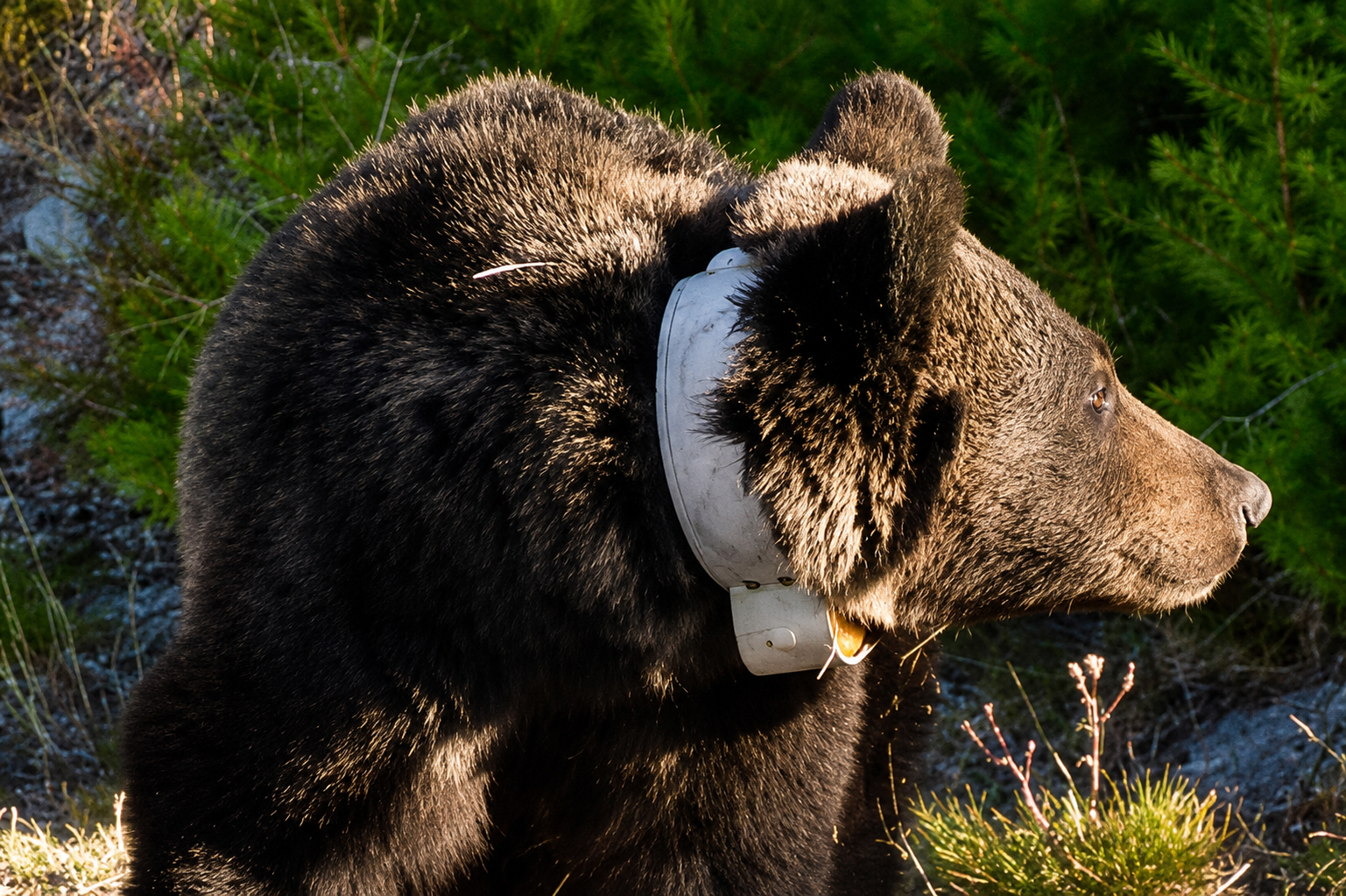
A GPS-collared grizzly bear known as Drone Bear offered a clear example of wildlife moving through the Columbia Lake landscape. Rather than following a protected area boundary, Drone Bear followed the landscape itself—demonstrating that connectivity depends not on a single park, but on an entire network of connected habitats.
Following Drone Bear2026-07-30T18:10:17+00:00

Marion Creek Beavers and the Four Amigos

2026-07-30T18:18:48+00:00

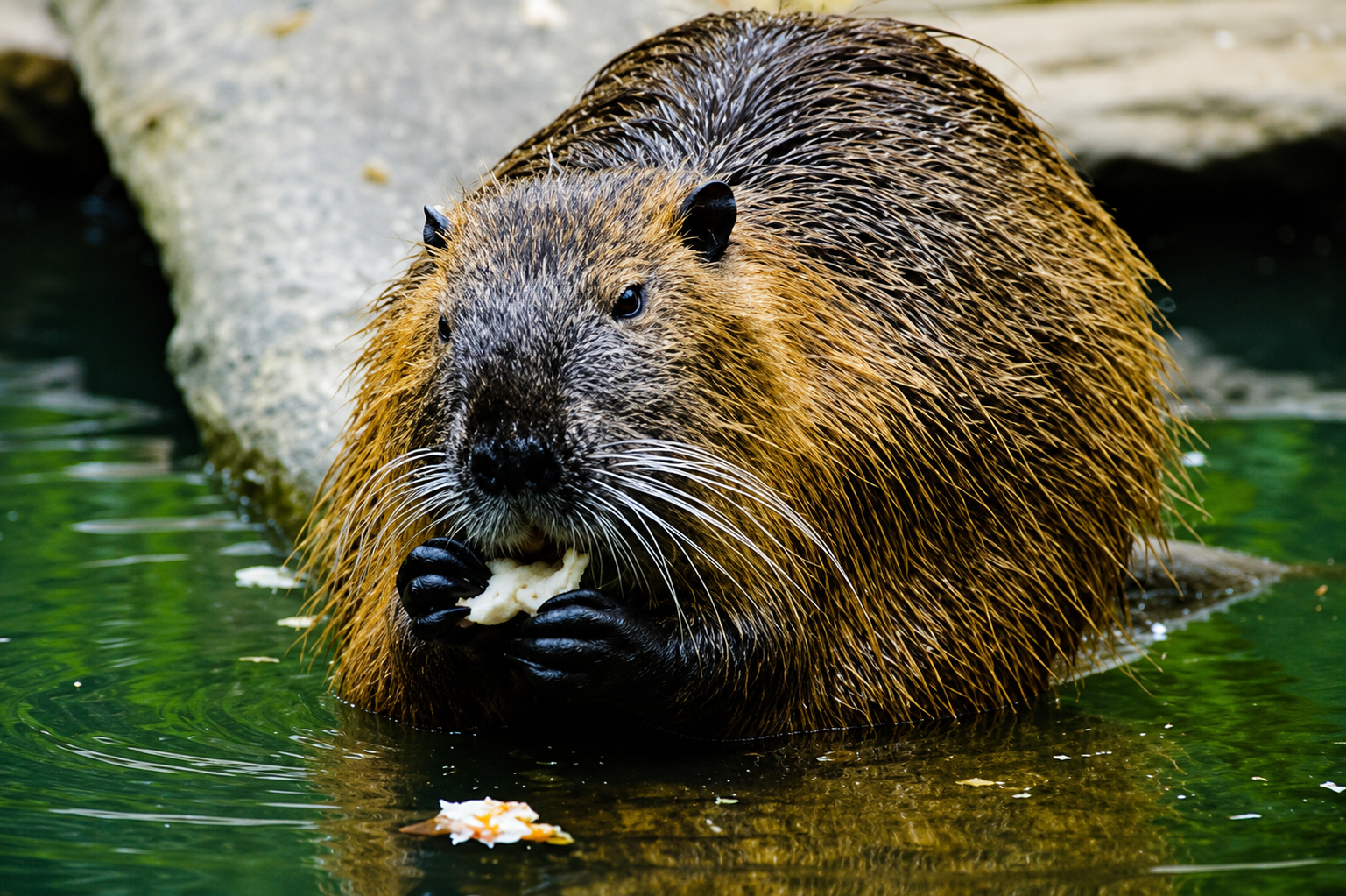
On the western benchlands above Columbia Lake, beavers are helping demonstrate the value of working with natural systems. Water flows have been significantly altered for irrigation, while drier conditions under climate change have increased the landscape’s vulnerability to drought. Active beaver dams maintain a connected series of ponds in the upper reaches of Marion Creek, creating open water and wetland habitat, moderating water temperatures for west slope cutthroat trout, and providing a dependable source of water downstream.

Marion Creek Beavers and the Four Amigos2026-07-30T18:18:48+00:00

Good Fire, Bad Fire

2026-07-29T15:12:17+00:00

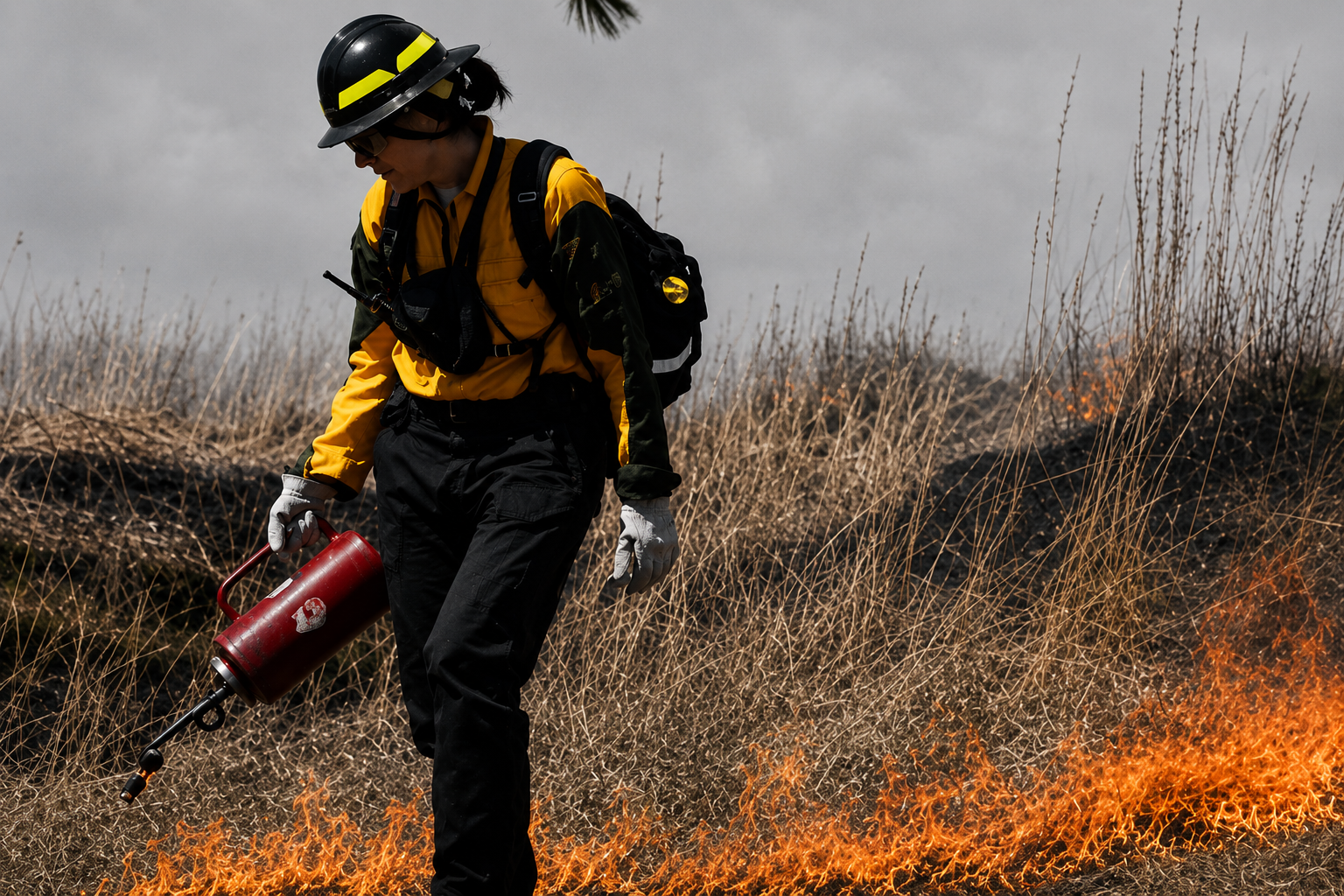
Fire can either support or disrupt corridor function, depending on its intensity and context. Upland forests and grasslands around Columbia Lake are naturally adapted to fire. At lower elevations, cultural burning historically helped maintain open forest stands and healthy grasslands. Stewarding fire-resilient forests will be important in the years ahead, helping sustain a mosaic of forest ages, maintain mature and old-growth stands, and support functioning wildlife corridors and community safety.

Good Fire, Bad Fire2026-07-29T15:12:17+00:00

Navigating Development and Yawuʔnik̓’s Ribs

2026-07-30T17:55:54+00:00

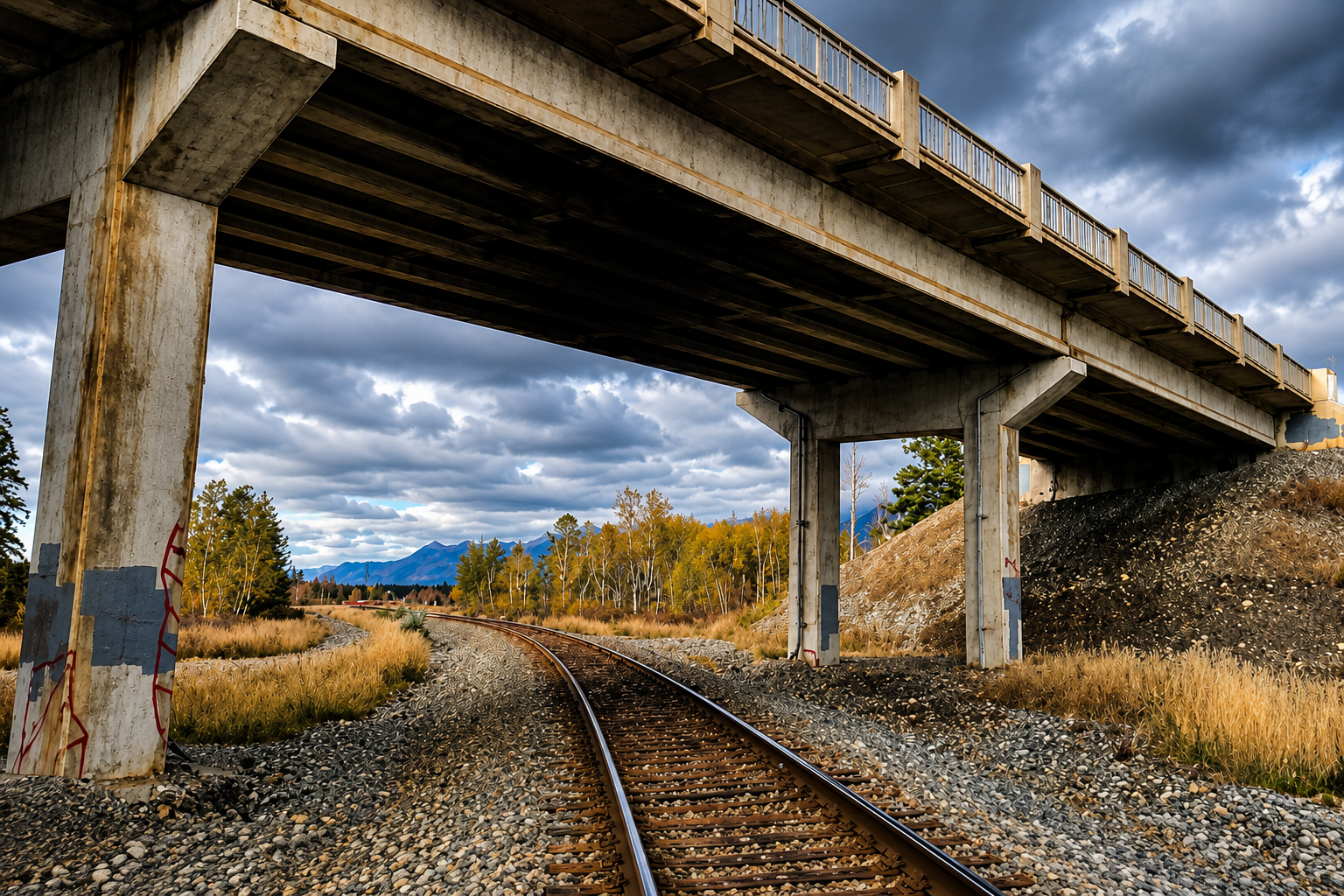
At the north end of Columbia Lake, wildlife must move through one of the corridor’s most constrained areas. This passage includes a challenging mix of housing development, a busy highway, rail infrastructure, an airport, golf course, eight foot-high wildlife-exclusion fencing, and natural landforms, including the Hoodoos or Yawuʔnik̓’s Ribs. Despite these barriers, there are important opportunities for wildlife movement, including the railway underpass below Highway 93/95 and a network of surrounding lands managed for conservation.

Navigating Development and Yawuʔnik̓’s Ribs2026-07-30T17:55:54+00:00

Why Did the Badger Cross the Road?

2026-07-30T18:12:53+00:00

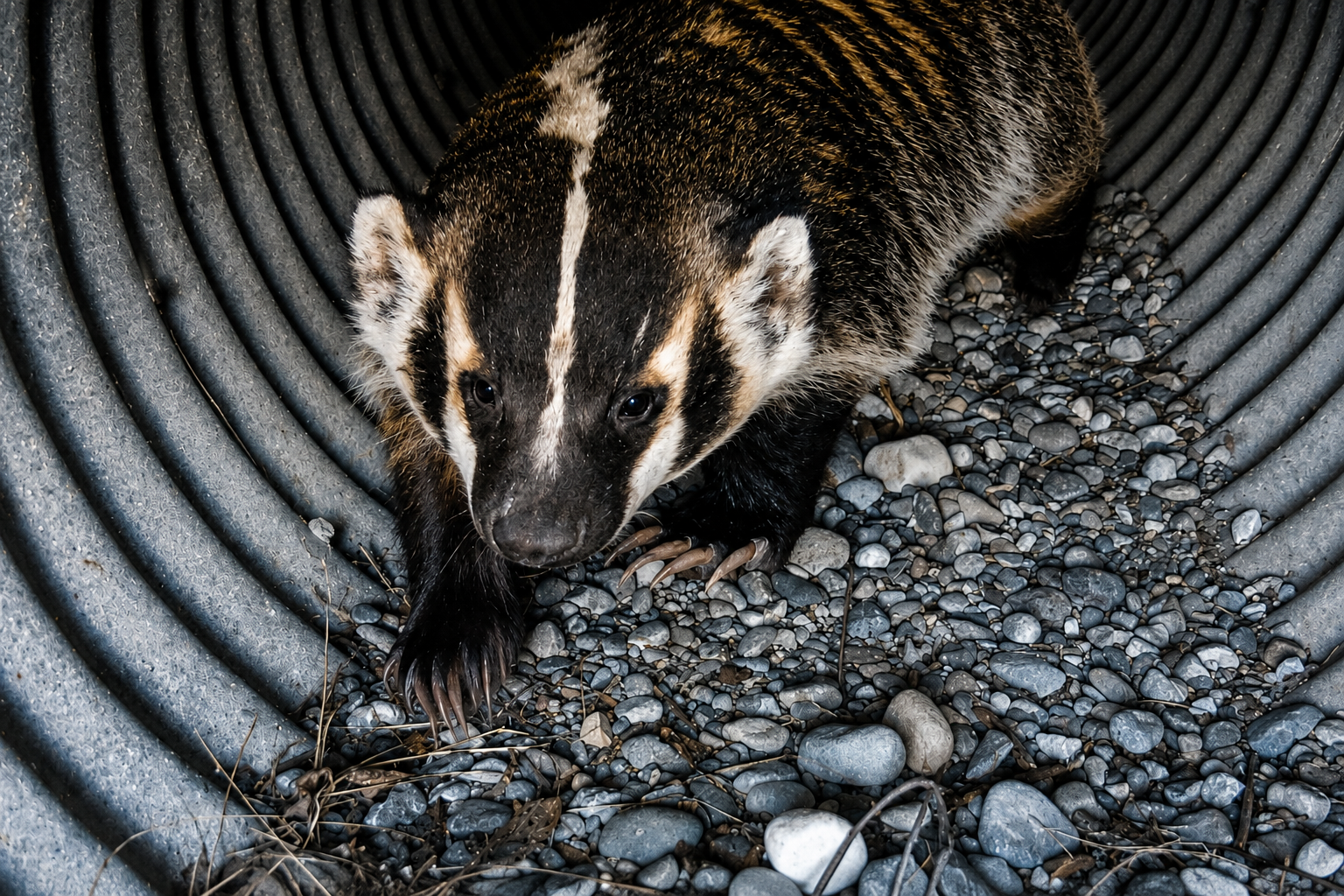
Badgers need to move, but roads can be deadly. Road mortality is the main threat to badgers in British Columbia and given that Highway 93/95 bisects the Columbia Lake Ecological Corridor, vulnerable badgers are at risk when crossing this busy highway. The hopeful part of the story is that badgers will use existing culverts as underpasses when they are open and accessible. Maintaining existing crossing structures and adding new ones is identified as essential for the recovery of this species at risk.

Why Did the Badger Cross the Road?2026-07-30T18:12:53+00:00

Access affects Elk and Grizzly Bear Habitat Quality

2026-07-30T17:35:40+00:00

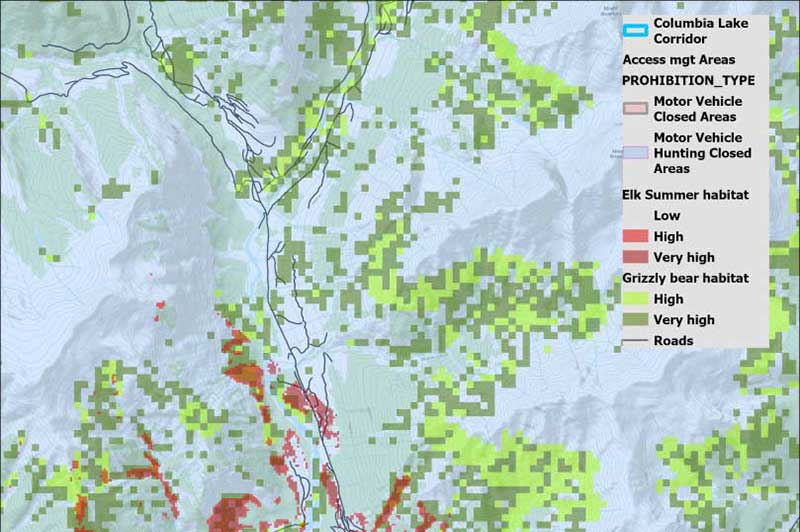
For elk and grizzly bears, good habitat is not enough if disturbance is too high. Both species need a combination of high-quality habitat and habitat security, including areas farther from open roads, to support movement, feeding, reproduction, and survival.

Access affects Elk and Grizzly Bear Habitat Quality2026-07-30T17:35:40+00:00

Ktunaxa Forestry Standards

2026-07-30T18:06:42+00:00

Ktunaxa Nation Council developed Forestry Standards to ensure that more precautionary management of forests consistent with Ktunaxa stewardship responsibility for All Living Things is applied across ɁamakɁis Ktunaxa. Following these standards, forestry and harvesting practices must consider broader forest values and the ecosystem services.

Ktunaxa Forestry Standards2026-07-30T18:06:42+00:00

kinq̓uq̓anki Stewardship Project

2026-07-30T18:08:48+00:00

The kinq̓uq̓anki Stewardship Project shows Indigenous-led stewardship in practice. The Ktunaxa Nation Council and ʔakisq̓nuk First Nation have brought together land managers to steward the east side of Columbia Lake for Ktunaxa values. Stewardship actions revolve around reducing forest encroachment, bringing fire back to the land, managing recreation, and inventorying cultural heritage resources.

kinq̓uq̓anki Stewardship Project2026-07-30T18:08:48+00:00
Go to Top