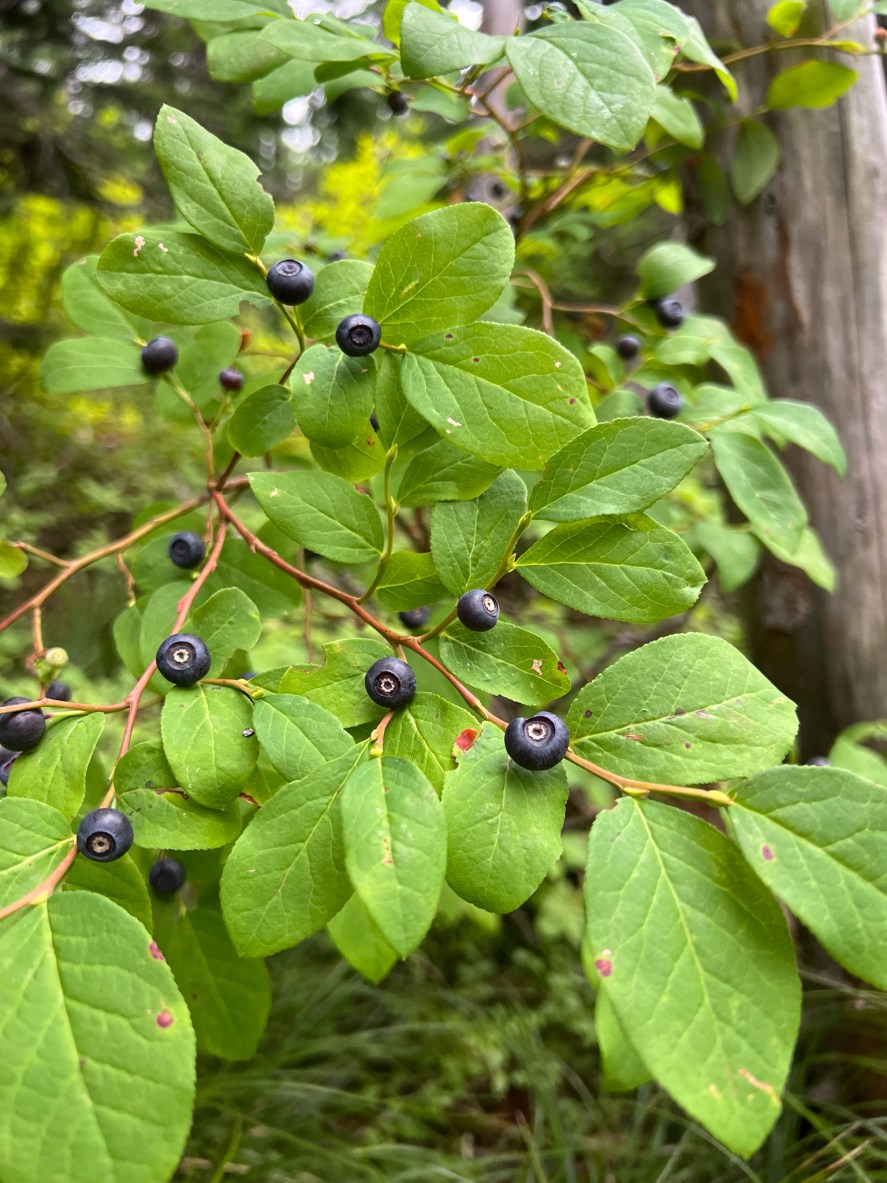
ⱡawiyaⱡ | huckleberry
Columbia Lake Ecological Corridor | Features | Ktunaxa Forestry Standards
Forestry has long been central to the region’s economy, while forest practices can also affect ecosystems, wildlife, and cultural values. In response, Ktunaxa have developed guidelines to reduce fragmentation and cumulative impacts on biodiversity.
The standards outline enhanced objectives, results, strategies, and practices for forest and cultural conservation values. They ask forestry and harvesting practices to consider broader forest values and ecosystem services, including sustainability, forest health, buffering sensitive wetlands and riparian areas, retaining wildlife trees, protecting old and interior forest-dependent wildlife, enhancing connectivity corridors, and managing for carbon storage and climate mitigation.
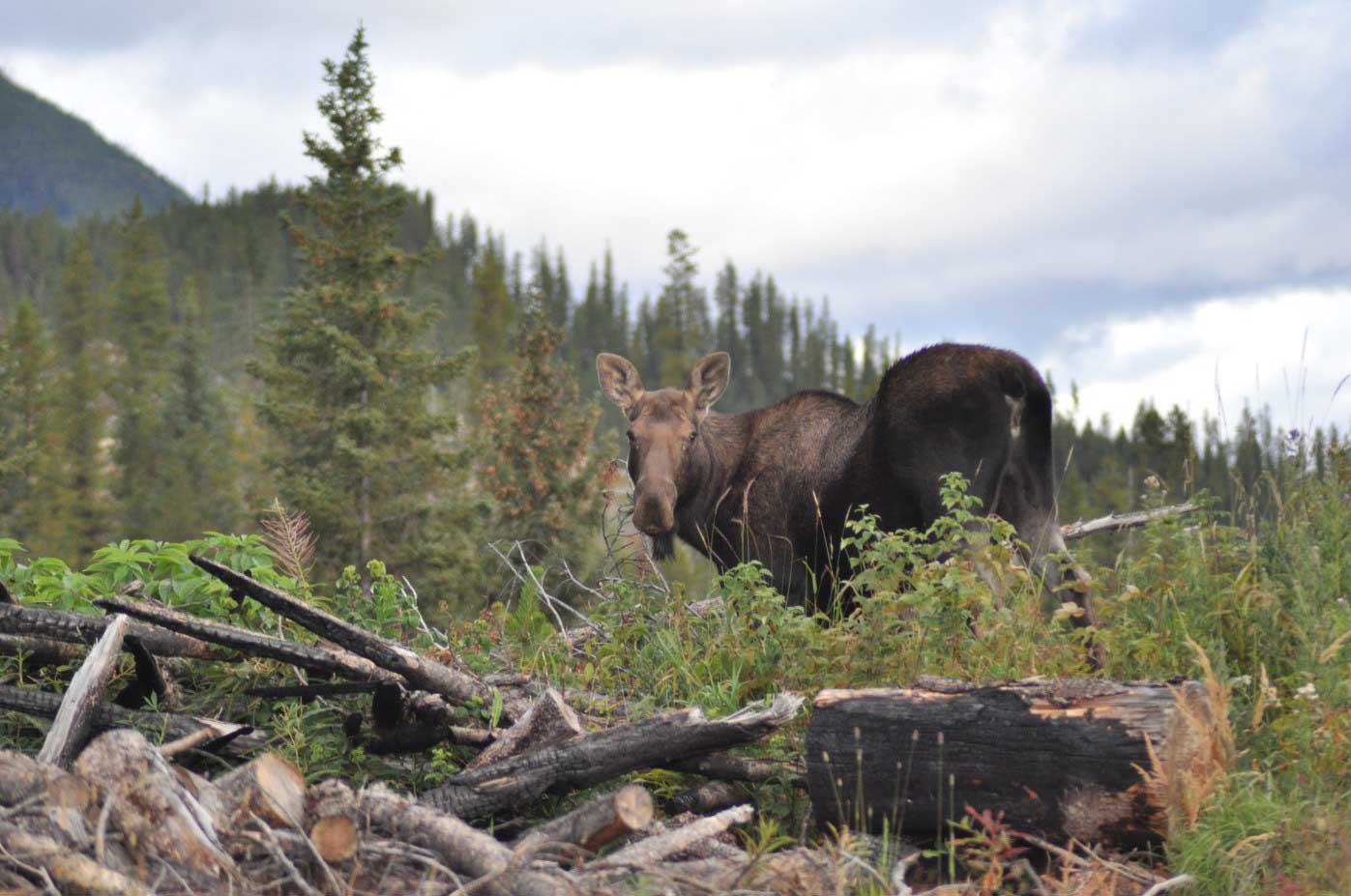
niȼnapku | moose
ʔamakʔis Ktunaxa, the traditional territory of Ktunaxa people is a large landscape covering a diverse range of ecosystems. Forestry has long been a central part of the region’s economy and, while providing economic benefits, it can also negatively impact these ecosystems. Concerned about forest practices that degrade lands and waters and impacts wildlife and their habitats, Ktunaxa have developed guidelines that aim to reduce fragmentation and cumulative impacts on biodiversity. The Ktunaxa Forestry Standards document outlines enhanced objectives, results, strategies and practices for forest and Cultural Conservation Values.
Ktunaxa Nation Council developed Forestry Standards to ensure that more precautionary management of forests consistent with Ktunaxa stewardship responsibility for All Living Things – ʔa·kxam’is q’api qapsin – is applied across ɁamakɁis Ktunaxa. Following these standards, forestry and harvesting practices must consider broader forest values and ecosystem services – ʔaqaⱡikmiyiʔis – to be sustainable and sufficiently precautionary in terms of improving forest health, buffering sensitive wetlands and riparian areas, providing critical habitat for species at risk, retaining valuable wildlife trees, protecting old and interior forest-dependent wildlife, enhancing connectivity corridors, and sequestering carbon.